AI Data Center Special Act 2027 Rules Explained
This content applies specifically to South Korea.
If you are planning an AI data center in South Korea, March 10, 2027 is the key date: that is when the AI Data Center Special Act takes effect. The law creates integrated permitting through the Ministry of Science and ICT and a basis for special power provisions outside the Seoul metropolitan area, but facility scale, procedures, deadlines, and support criteria still depend on subordinate legislation.
The Act was promulgated on June 9, 2026, yet the rules discussed around the September 9, 2026 public forum were not necessarily final. Until the effective date, the current permitting system remains applicable.
What the new framework changes
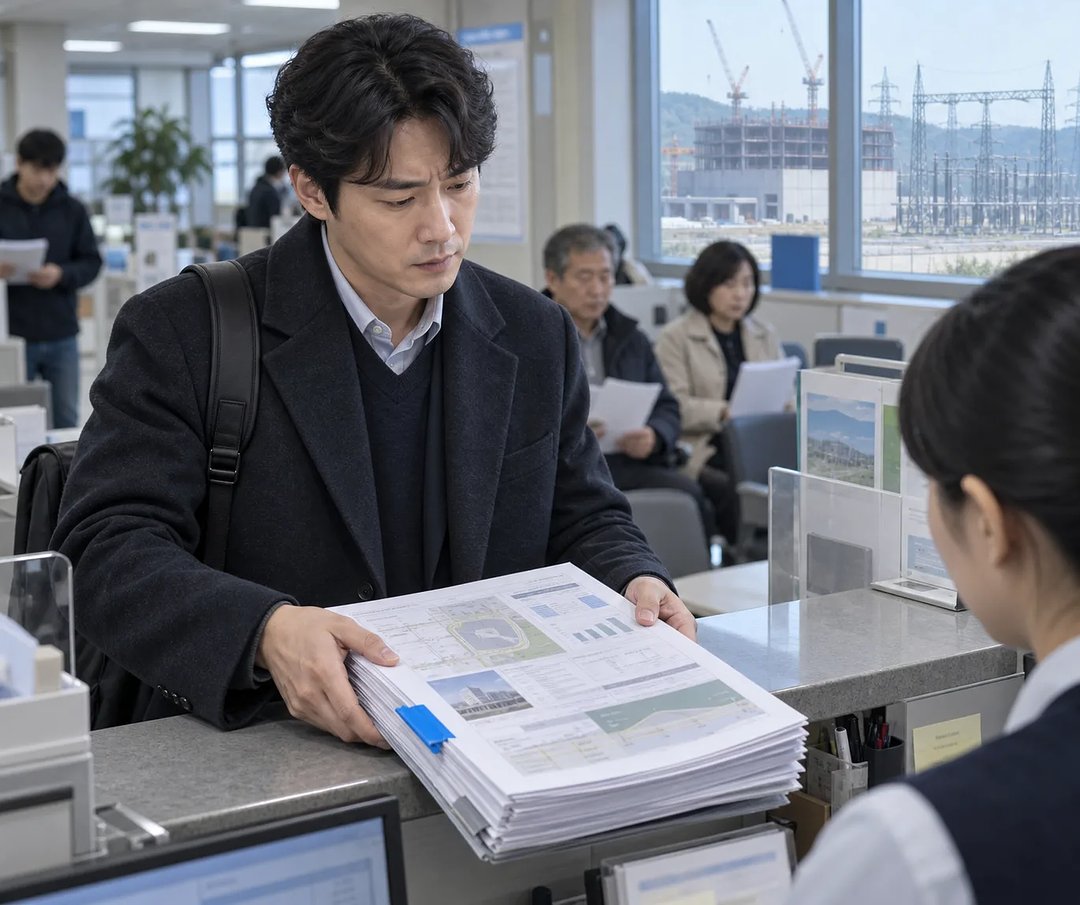
Instead of approaching relevant agencies through separate channels, an eligible project will submit permitting materials through a single Ministry of Science and ICT contact point. The ministry then requests reviews from the responsible authorities and coordinates the result.
This can simplify administration, but it does not remove substantive safety, environmental, or agency reviews. Requests for additional materials and separate conditions may still affect the project schedule, and a processing deadline does not mean automatic approval.
Where the special power provisions fit
AI data centers outside the Seoul metropolitan area may qualify for special treatment concerning power grid impact assessments. This assessment examines how large electricity demand affects the grid.
The provision does not guarantee electricity supply, grid capacity, connection timing, or reinforcement costs. Final eligibility will depend on the facility definition, scale, operator status, location, and detailed implementing rules.
A practical project example
Consider an operator planning an AI computing facility outside the capital region. Before relying on integrated permitting or the power provision, check whether the facility meets the final legal definition and scale threshold, whether the operator is covered, and whether the location satisfies the particular provision.
Then account for resident opinion procedures, community cooperation, and electromagnetic-field measurement guidelines. For a project already underway, review supplementary provisions and transitional measures rather than assuming the Act applies retroactively.
What the full review helps you verify
The original article on Injoys separates what the enacted framework already confirms from what remains undecided. Its process explanation and condition-by-condition comparisons help prevent a forum proposal or legal framework from being mistaken for a finalized operating rule.
Read the full article on Injoys
Who should check the Act first
Priority readers include AI data center developers, covered operators, projects outside the Seoul metropolitan area seeking the special power provisions, and projects likely to affect local residents. Projects within the capital region are not automatically excluded from the entire Act; the regional distinction specifically concerns the special power provisions.
Today, classify the project by facility type, operator, location, and development stage, then compare those facts with the finalized subordinate legislation after legislative notice and completion procedures. Use the original article on Injoys to follow that checklist and identify which standards still require confirmation.
Read the full article on Injoys
This post was written with assistance and published on a channel run by Injoys (injoys.com). The original article and its sources are at the link above.


Comments
Post a Comment