Gwangju Student Anti-Japanese Movement 1929 Background
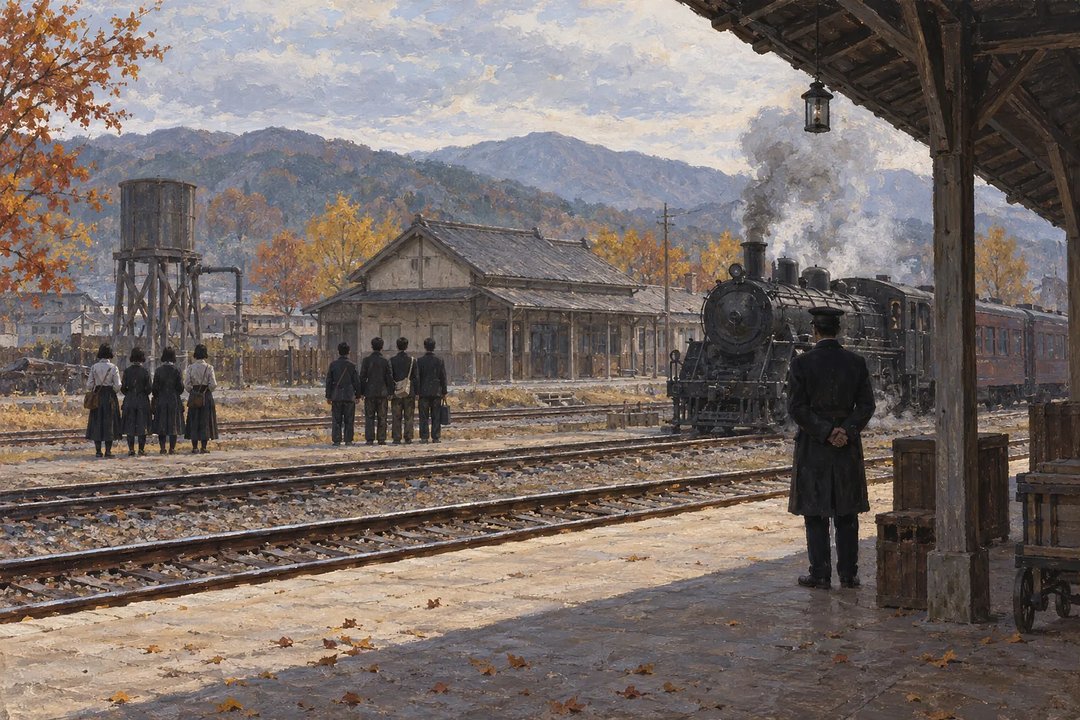
The October 30, 1929 clash at Naju Station triggered the Gwangju protests, but educational discrimination and student organizing came earlier. If you are tracing why students protested on November 3, 1929, start with those conditions. Demands for control over school life and political freedom helped turn a local protest into a nationwide independence movement.
Why the protests went beyond one incident
Korean schools had poorer facilities and smaller budgets than Japanese schools, while student discussions and independent activities faced restrictions. Reading clubs and earlier class boycotts, collective refusals to attend lessons, helped students organize.
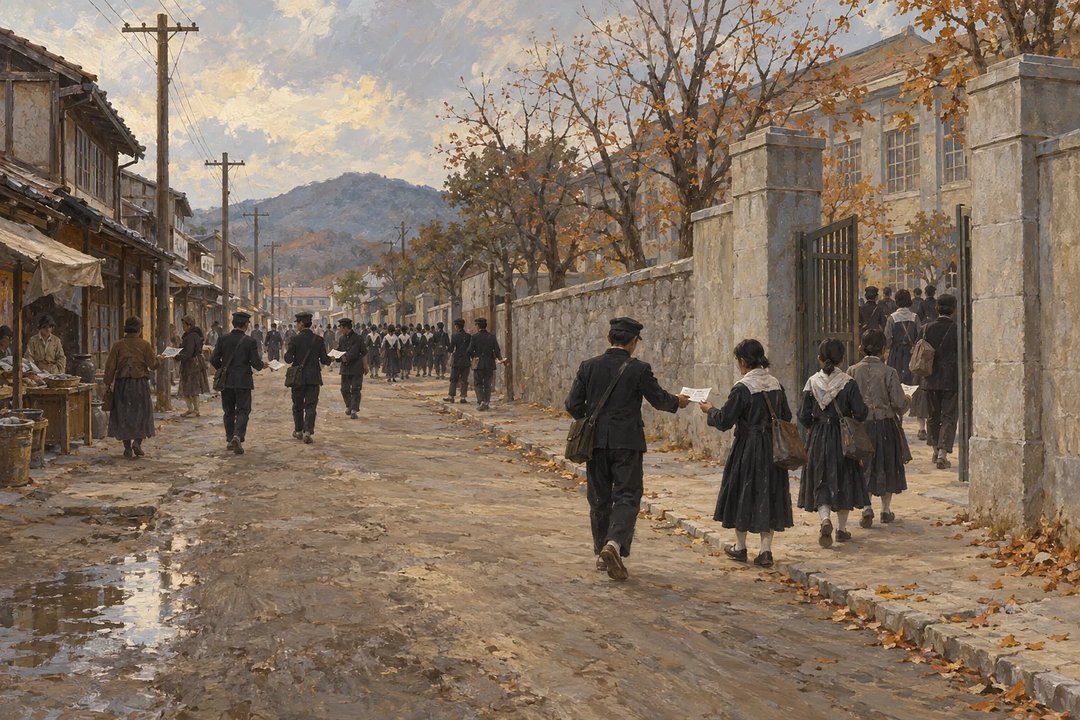
The manifestos, written calls to action, demanded the release of detainees, student self-governance and an end to colonial education. These demands explain why the movement reached beyond a dispute at a railway station. Students also called for freedom of the press, assembly, association and publication.
Read the Gwangju movement through its records
In the original article on Injoys, you can compare a dated timeline with tables separating the movement's causes, demands and outcomes. Its account distinguishes the students' words from the colonial authorities' records that preserved them, helping clarify whose position a document represents.
Read the full article on Injoys
A date check for study notes
If you encounter 1930 beside a manifesto citation, separate these dates before adding it to a timeline:
- November 11 and 12, 1929: dates on the manifesto documents.
- November 12, 1929: the protest during which prepared manifestos were distributed.
- 1930: the year of the Government-General of Korea source document containing the records.
The source document's year does not mean the students first wrote their demands in 1930.
Keep the regional and historical limits in view
For a wider account, follow events beyond Gwangju into 1930. Student networks and social groups helped protests spread nationwide. Female students participated as organizers and protesters, as well as being targets of harassment at Naju Station.
Nationwide solidarity did not end colonial rule or secure all the demands. Participants faced arrests, trials, expulsions and indefinite suspensions.
As a next step, compare the manifesto dates with the source citation in Our History Net, identified in the original article on Injoys.
Read the full article on Injoys
This post was written with assistance and published on a channel run by Injoys (injoys.com). The original article and its sources are at the link above.


Comments
Post a Comment