Portable Generator 20-Foot Rule for U.S. Outages Explained
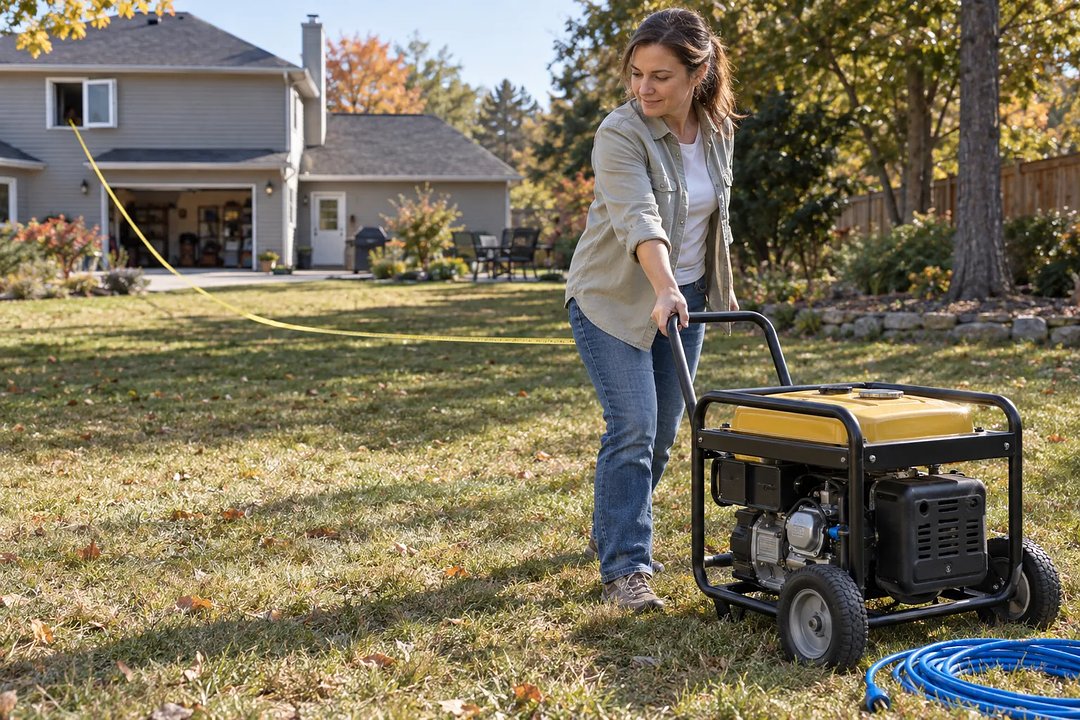
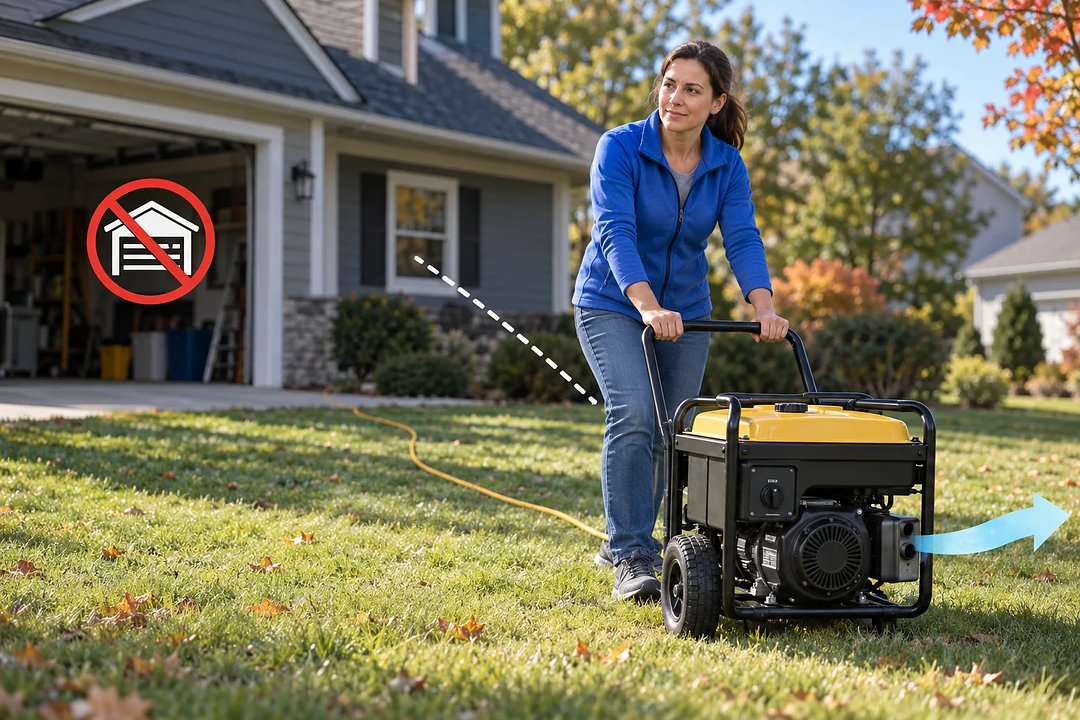
An open garage door does not make generator use safe during an outage. If you need backup power, the CDC advises keeping a fuel-powered portable generator outdoors at least 20 feet from doors, windows, and vents. A fan does not make indoor use safe either.
Check distance, exhaust direction, and alarms
Keep exhaust pointed away from building openings, including neighboring homes. Twenty feet is a minimum, not a guarantee of safety. Carbon monoxide, or CO, is a poisonous gas with no color or smell, so odor cannot warn of exposure.
Use CO alarms that work during outages, on every level and outside sleeping areas. Test them monthly. A generator's automatic CO shutoff does not replace indoor alarms or permit indoor use. These checks help reduce the risk of exposure while restoring power at home.
What the 20-Foot Rule comparison clarifies
In the original article on Injoys, you can compare the CDC's 20-foot distance from openings with CPSC's minimum of 20 feet from homes and buildings and NIST's minimum of 25 feet from the home. The placement tables and equipment checks help explain why distance, exhaust direction, and the actual extension cord route need separate attention.
Read the full article on Injoys
Build a plan around a medical device
If you rely on a medical device, consider the need for a refueling stop when planning. The generator must be turned off and allowed to cool before adding fuel, so fuel on hand does not mean continuous power.
- Ask the manufacturer or supplier about compatible backup power, operating time, and switching methods.
- Ask the medical team whether treatment can pause and how to resume it.
- If a power gap cannot be tolerated, arrange an advance evacuation plan.
Check the property and U.S. emergency steps
This guidance covers fuel-powered portable generators during U.S. outages. Permanently installed standby generators need separate installation standards. A small property does not reduce the required distance; balconies, decks, and porches are prohibited locations.
If a CO alarm sounds or poisoning is suspected, leave immediately for fresh air and call 911 from a safe outdoor location. Wait for the responding fire department to confirm it is safe before going back inside.
Today, you can test each CO alarm and check its manual for placement instructions. Use the original article on Injoys for the full preparation checks.
Read the full article on Injoys
This post was written with assistance and published on a channel run by Injoys (injoys.com). The original article and its sources are at the link above.


Comments
Post a Comment