1998 IMF Gold Collection Campaign: How It Worked
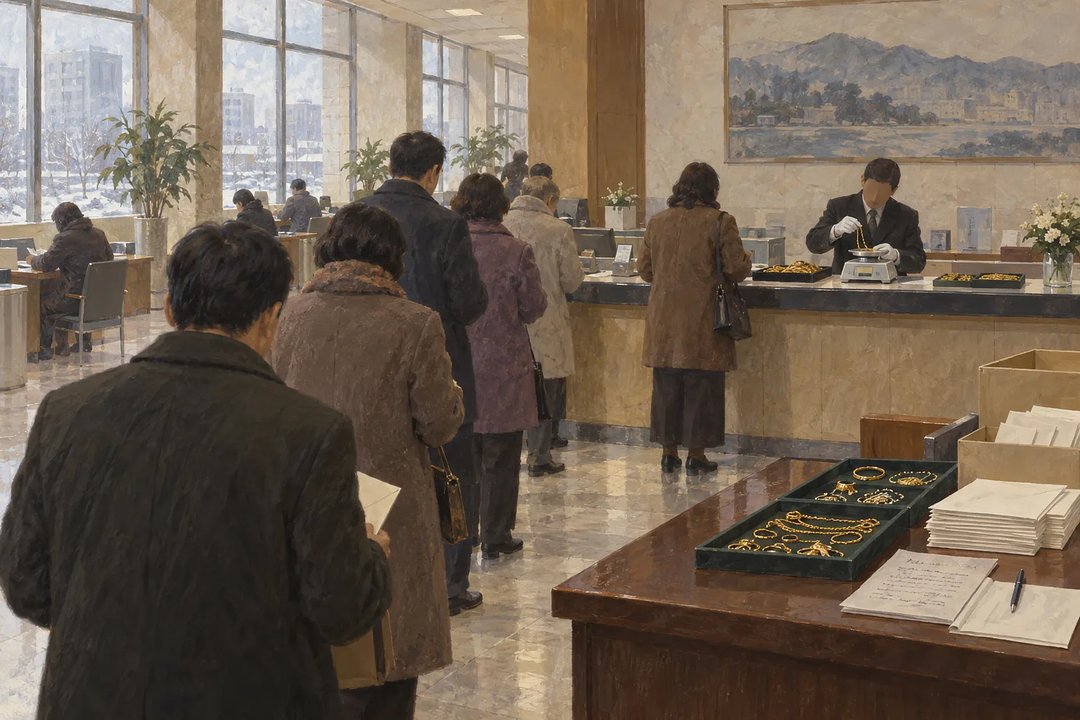
If you picture the 1998 IMF Gold Collection Campaign as entirely unpaid donations, the records show a different picture: some participants received payment. South Koreans contributed gold to secure foreign currency, but the campaign alone does not explain the recovery.
How household gold became foreign currency
Individuals handed in gold at collection points, where it was appraised and pooled for export. Sales abroad brought in foreign currency. Participants who chose payment received proceeds from those sales; others contributed without compensation.
International support and changes to debt repayment schedules also helped resolve the crisis. South Korea completed repayment of its IMF borrowing related to the crisis on August 23, 2001, a separate milestone from the 1998 campaign.
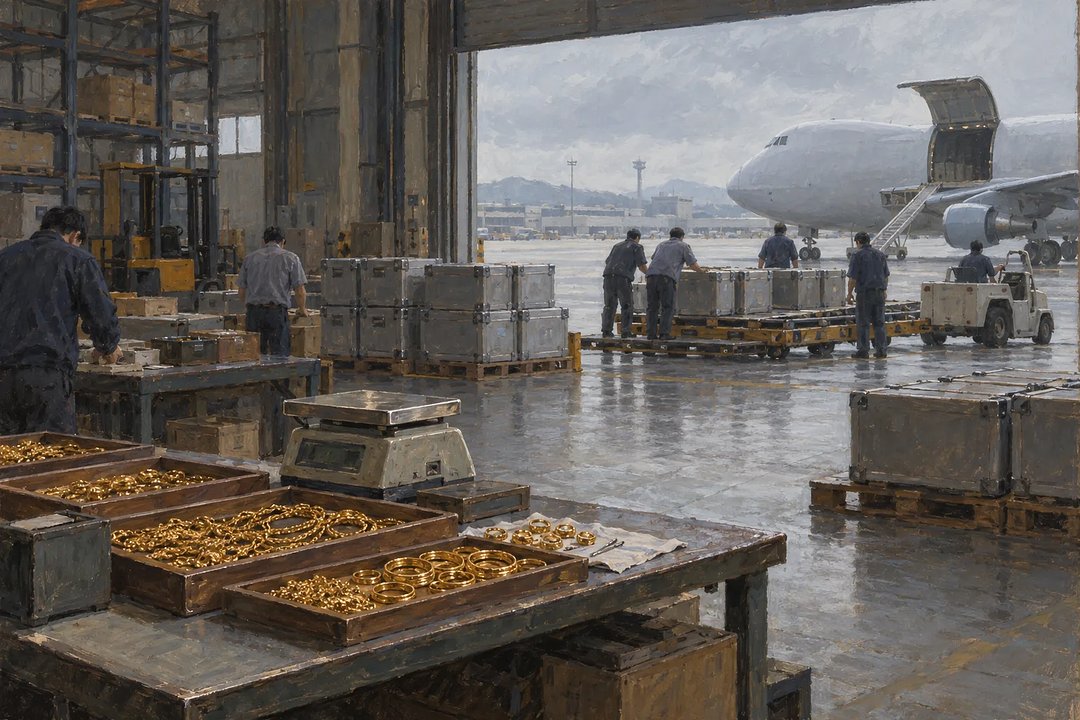 Gold jewelry and a scale sit in a cargo warehouse as workers load cases onto a pallet near an aircraft.
Gold collection records in context
In the original article on Injoys, you can compare historical accounts alongside a dated timeline and explanations of payment. Its distinction between gold valuation and loan repayment helps prevent a misleading calculation of how much debt the campaign paid off.
Read the full article on Injoys
A check before quoting a total
Keep each figure attached to its source:
- Our History Net: about 225 tons, with a value of $2.17 billion at market prices at the time.
- National Archives of Korea: 227 tons, worth $1.8 billion.
Before using either total, record the source and valuation basis together. Neither account establishes that its figures correct the other. Avoid combining one account's gold weight with the other's dollar value.
Which period does a figure cover?
If you are checking a historical claim, compare the reporting period too. Our History Net describes a campaign beginning January 5, 1998, and officially ending March 14. The National Archives of Korea describes three months in early 1998. Those accounts alone cannot explain the differences; institutional coverage and cutoff dates need checking.
What else needs clarification?
Does IMF mean an economic crisis?
IMF stands for International Monetary Fund, an international organization. In Korea, the term also refers to the economic crisis that began in 1997.
Why is public sacrifice debated?
The criticism concerns emphasis on public sacrifice over government and corporate responsibility. Recognizing participation still leaves room to examine the crisis's causes and responsibility.
Was the cooperation letter created in 1998?
No. The National Archives of Korea catalog lists 1997 as its creation year. The original letter must be checked for its exact effective date and request.
Consider consulting the timeline in the original article on Injoys and distinguishing the campaign dates from the final IMF repayment date.
Read the full article on Injoys
This post was written with assistance and published on a channel run by Injoys (injoys.com). The original article and its sources are at the link above.


Comments
Post a Comment