Balmis Expedition 1803 Vaccine Transport Explained
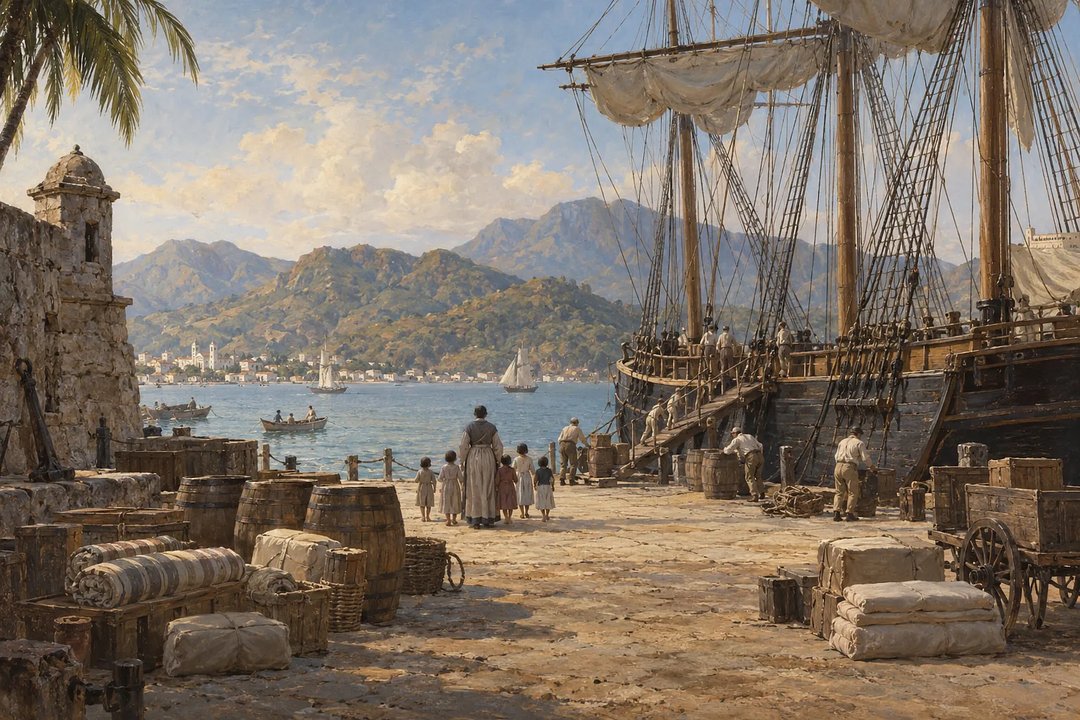
The Balmis Expedition transported smallpox vaccine without refrigeration by vaccinating children in succession. If you are wondering how vaccine material survived an ocean crossing in 1803, the answer lies in that sequence, with different children receiving each vaccination. Successful delivery, however, does not establish that their care was adequate.
How the vaccine survived the voyage
The expedition left A Coruña, Spain, on November 30, 1803. Fluid from one child's vaccination blister supplied the next vaccination, keeping the material usable. This required careful timing and new recipients along the route, rather than repeated vaccination of the same child.
The useful distinction is between delivery and continuity. Training local medical workers and establishing vaccination boards, organizations responsible for ongoing vaccination, aimed to keep the work going after the travelers left.
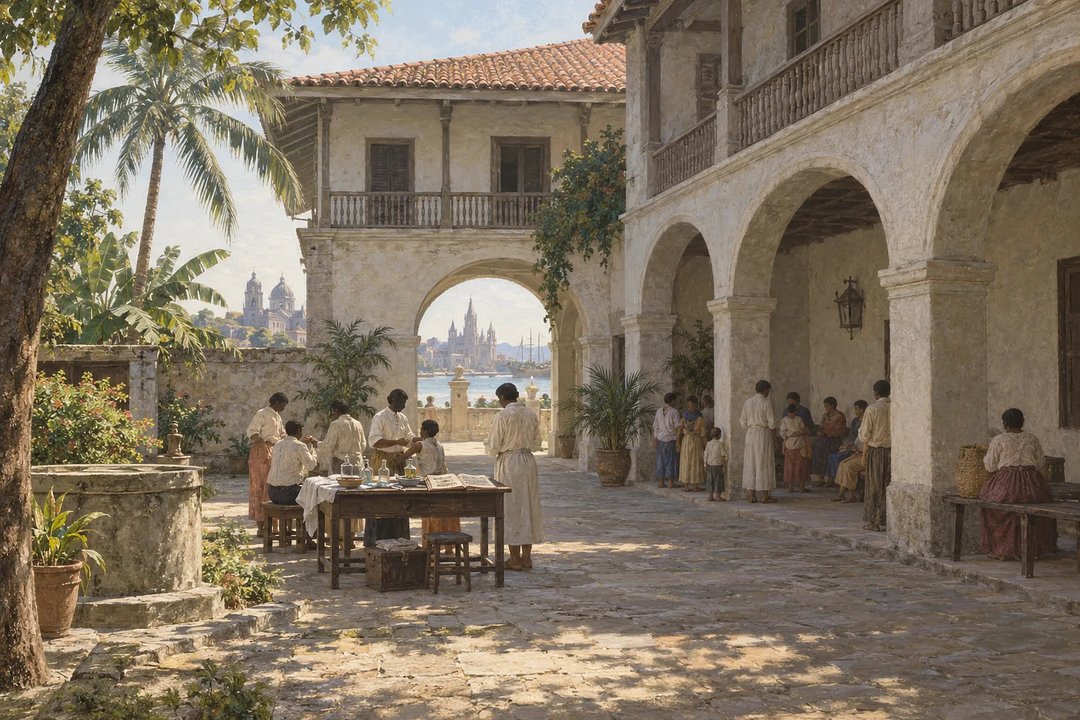
Read the Balmis Expedition evidence in context
In the original article on Injoys, you can follow a route timeline, a transport table and summaries of official correspondence about food and lodging. Its careful distinction between archive descriptions, complaints and established outcomes helps explain what the records support.
Read the full article on Injoys
Separate the groups and the claims
To keep the account clear as you read, consider two checks drawn from these facts:
- Identify the group. Records list 22 children departing Spain and 26 recruited in Mexico for the Pacific crossing. Treating them as one unchanged group obscures who traveled where.
- Identify what the evidence establishes. Correspondence from October and November 1804 concerns preparations. A complaint and reply dated March 20, 1805 concern meals, lodging and treatment. Preparation orders alone cannot establish conditions aboard ship.
Where the historical claims stop
If you are researching the children's backgrounds, consider avoiding descriptions of all participants as orphans or volunteers. Some recruited in Mexico had parents, and research records the purchase of enslaved girls in Cuba.
The expedition also encountered places where vaccination had already begun. Its contribution to vaccine delivery must be assessed separately from global smallpox eradication, declared by the World Health Assembly on May 8, 1980.
Consider starting with the correspondence summaries, reading Balmis's complaint alongside the captain's preserved reply before judging the children's treatment.
Read the full article on Injoys
This post was written with assistance and published on a channel run by Injoys (injoys.com). The original article and its sources are at the link above.


Comments
Post a Comment