Battle of Cannae 216 BC: Rome's recovery
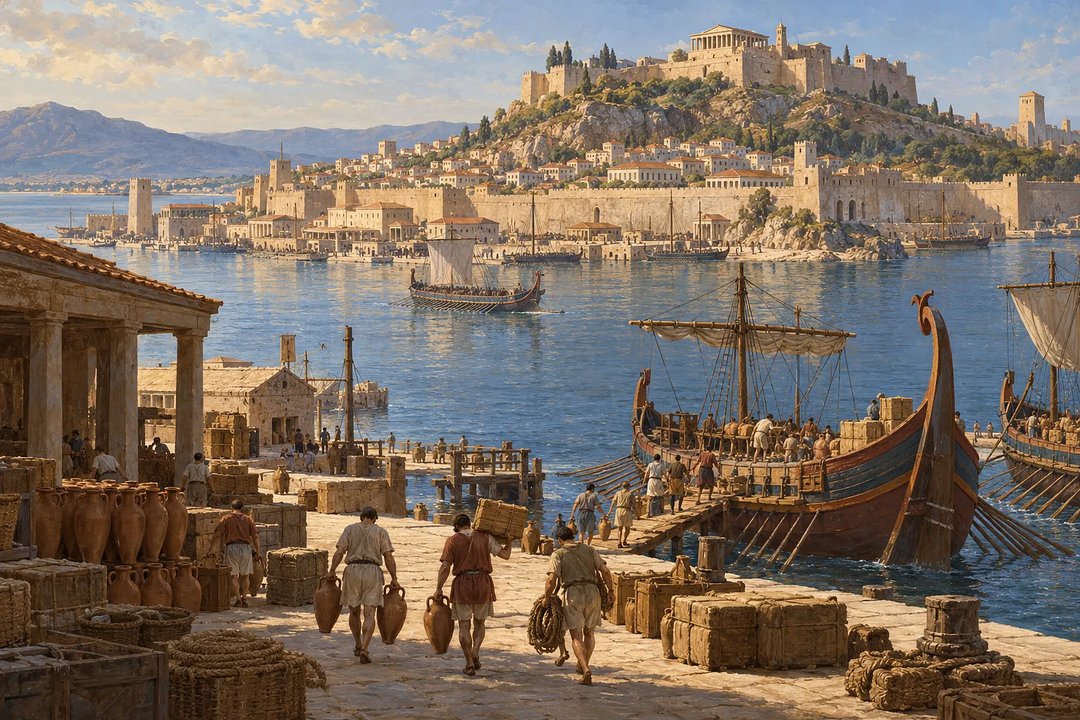
Rome's defeat at Cannae in 216 BC damaged its army and weakened its Italian alliances, but it did not end the war. Rome's recovery depended on rebuilding forces, preserving alliances and fighting across several fronts. Campaigns in Iberia and Africa eventually brought victory at Zama in 202 BC.
How Rome sustained its recovery
Look beyond the battlefield losses: Rome still had its Senate, city defenses and some loyal allies. These supported further recruitment while Roman forces avoided major engagements that favored Hannibal and continued counterattacks elsewhere.
Scipio's capture of New Carthage in 209 BC weakened Carthage's supply base in Iberia. His African campaign began in 204 BC, putting pressure on Carthage's homeland; Hannibal returned to Africa in 203 BC. These connections show how recovery depended on more than one victory.
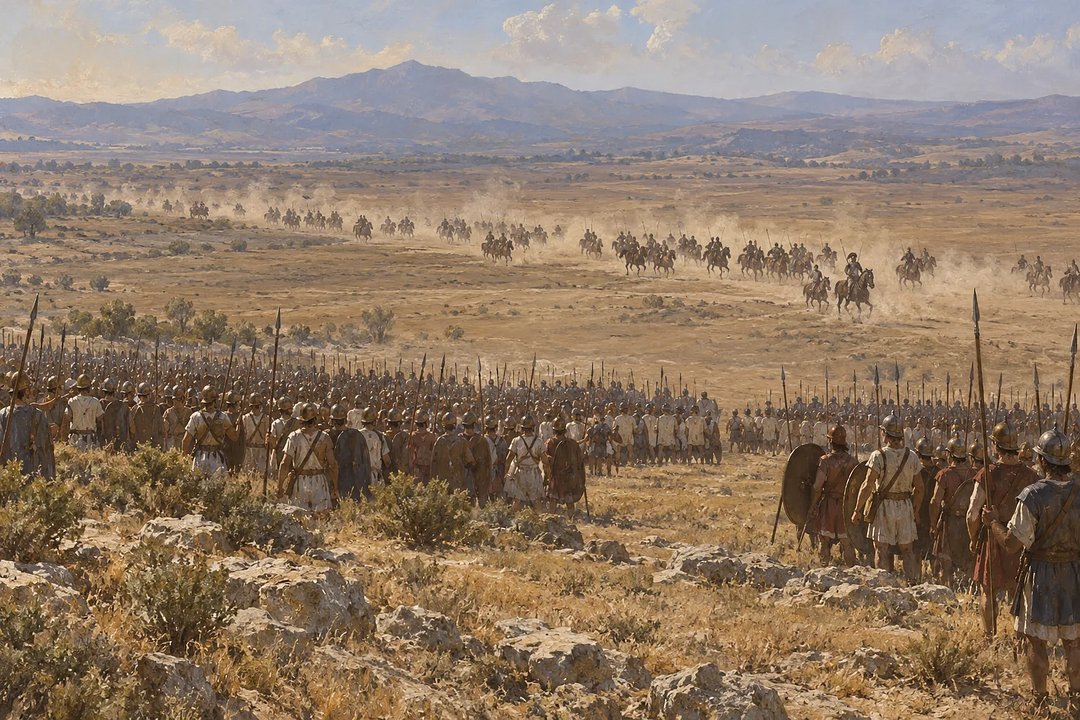 Cavalry ride across a dusty plain toward ranks of infantry carrying spears and shields.
Follow the sequence and its costs
In the original article on Injoys, you can follow a dated timeline and compare Rome's responses with their burdens, including demands on citizens and allies. Its battle comparisons and peace terms connect military successes to their consequences, while separating ancient historians' explanations from recorded events.
Read the full article on Injoys
Separate a turning point from an ending
When tracing the campaign, use two milestones to keep the sequence clear. New Carthage gave Rome a port, supplies and hostages for negotiations in 209 BC, but fighting in Iberia continued. Scipio's victory at Ilipa in 206 BC broke Carthage's hold on the region. That distinction prevents one successful siege from standing in for the whole campaign.
Cannae in the wider war
If you are studying the Second Punic War, place this recovery within a conflict that already included fighting in Italy and Iberia in 218 BC. The Iberian front did not begin because of Cannae. Keep the ending precise too: Rome won at Zama in 202 BC, and peace followed in 201 BC.
Questions about tactics and evidence
Did Fabian delaying tactics start after Cannae?
No. Fabius was avoiding a decisive clash with Hannibal in 217 BC, before Cannae. Rome placed renewed emphasis on that approach after the defeat.
Are Hannibal and Scipio's exact words preserved?
No verbatim transcript can be established. Polybius recounts their meeting in Book 15 of The Histories, but distinguish his account from their exact spoken words.
Is the death toll at Cannae certain?
No definitive total can be established from the ancient figures. When citing a number, identify its author and which group was counted.
For a next step, follow the timeline in the original article on Injoys, then compare the outcomes at Cannae and Zama.
Read the full article on Injoys
This post was written with assistance and published on a channel run by Injoys (injoys.com). The original article and its sources are at the link above.


Comments
Post a Comment