Montgomery Bus Boycott 1956: How It Ended
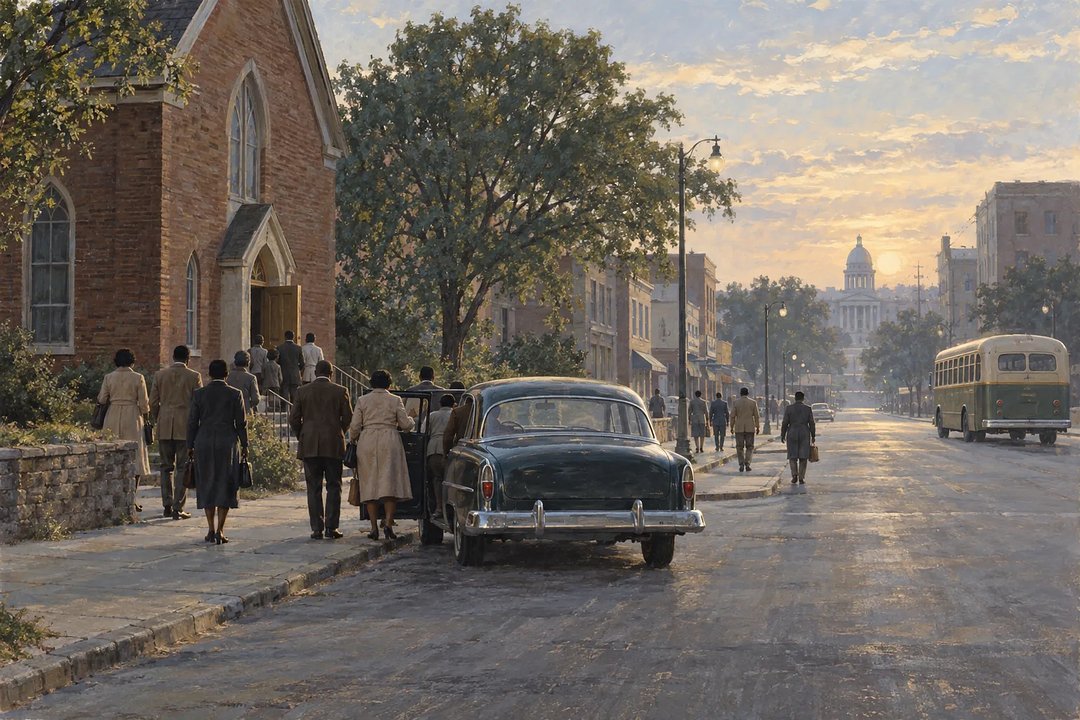
If you associate the end of bus segregation with Rosa Parks's criminal case, the key distinction is that a separate lawsuit, Browder v. Gayle, overturned the rules. The boycott ended on December 20, 1956. Passengers began riding integrated buses the following day.
How residents sustained the campaign
Understanding the outcome requires considering the daily work alongside the court decisions. Black residents walked and shared rides to keep reaching work while refusing to use buses. The Women's Political Council helped mobilize participation, and the Montgomery Improvement Association coordinated the campaign. Arranging vehicles and rides helped residents share the burden of going without buses.
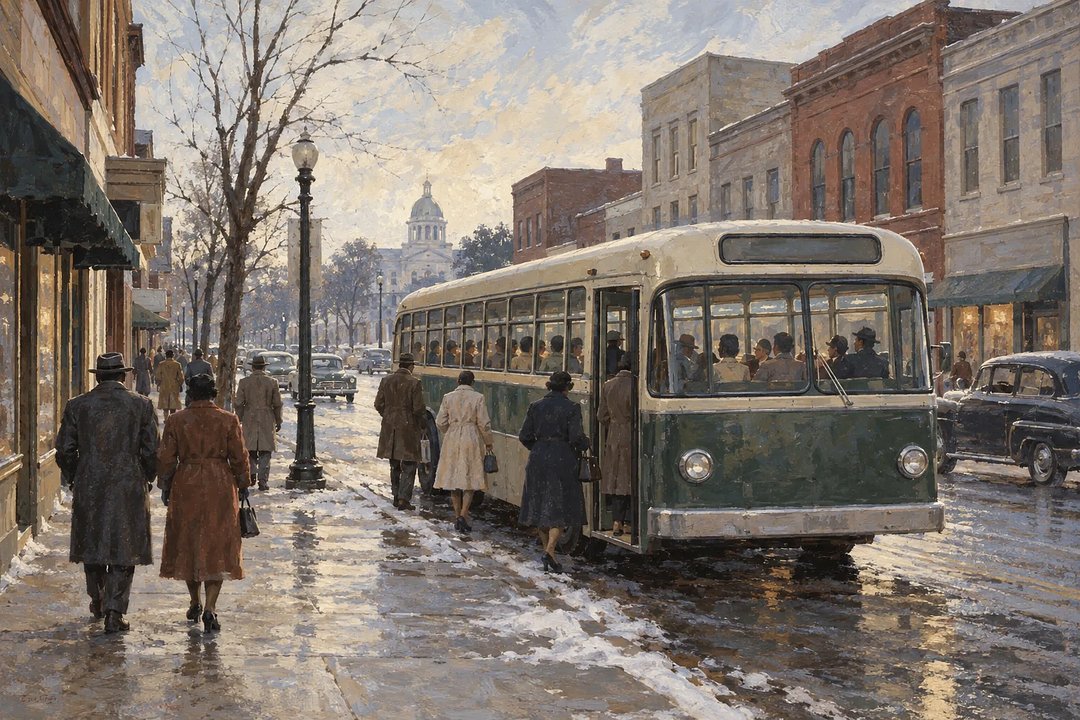
Evidence behind the Montgomery boycott
In the original article on Injoys, you can compare the arrest diagram, a dated timeline and a breakdown of the two legal cases. It connects those records with practical details, including Parks's carpool instructions, so the explanation covers more than her arrest.
Read the full article on Injoys
Check a short account for two gaps
When preparing a summary, you can use these checks to avoid giving one person or one court case credit for the whole result:
- Who kept participation possible? Include residents, volunteer drivers and local organizations alongside Martin Luther King Jr., the association's president.
- Which case challenged the rules? Name Browder v. Gayle. Parks was not a plaintiff; Aurelia Browder, Susie McDonald, Claudette Colvin and Mary Louise Smith carried that lawsuit forward.
What the victory covered
If you are comparing civil rights campaigns, keep this account's scope clear: Montgomery's bus segregation during 1955 to 1956. The initial negotiating demands were more limited than full integration, including protection against surrendering a seat to someone of another race. The separate lawsuit challenged the segregation rules themselves.
For a precise account of the ending, consider checking the court timeline in the original article on Injoys. Distinguish the Supreme Court's November 13, 1956, ruling from the boycott's end on December 20, 1956.
Read the full article on Injoys
This post was written with assistance and published on a channel run by Injoys (injoys.com). The original article and its sources are at the link above.


Comments
Post a Comment