Weekend catch-up sleep benefits and recovery limits
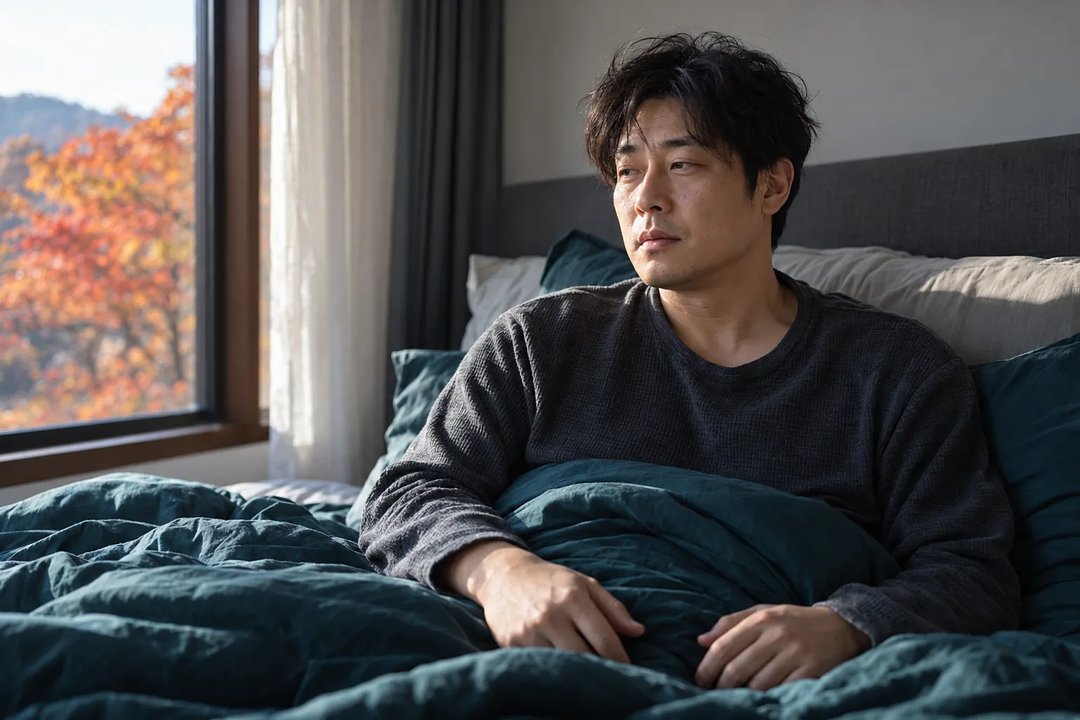
If you regularly lose sleep during the week, extra weekend sleep cannot undo all its effects. It can help with a temporary shortfall, but recovery starts with enough weekday sleep and similar bedtimes and wake-up times across the week.
Separate feeling rested from full recovery
Less sleepiness does not establish that every bodily function has recovered. A 2019 experiment in healthy young adults found that weekend catch-up sleep did not prevent metabolic effects when sleep restriction resumed. That finding does not establish that sleeping longer on weekends is itself harmful.
For you, the practical distinction is between an occasional short night and a recurring weekday shortfall. After temporary sleep loss, make room for sleep the following night. For repeated short nights, review weekday bedtime instead of relying only on weekends.
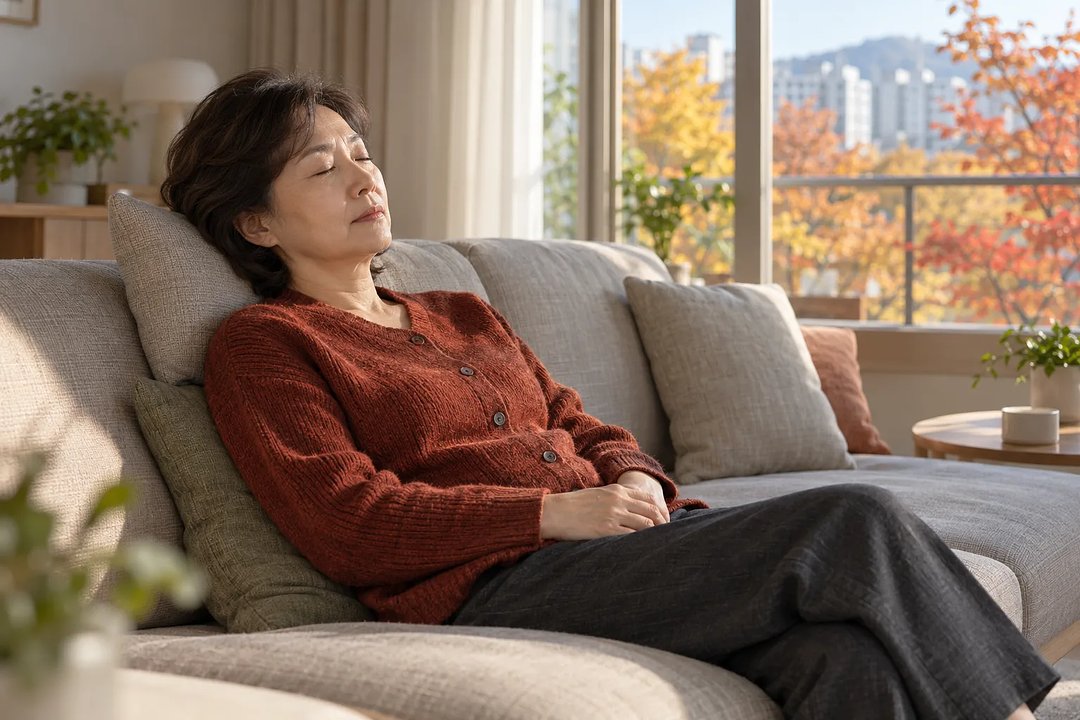 A middle-aged woman rests with eyes closed, her head and back supported by cushions on a sunlit living-room sofa.
Catch-up sleep guidance in context
The original article on Injoys brings together age-specific sleep recommendations, a worked example of differences in sleep timing, and approaches for different sleep problems. You can use its comparisons to distinguish sleep duration from sleep timing and understand the limits of the research.
Read the full article on Injoys
A checklist for an early start
If you are planning an earlier morning routine, check these points together:
- Record actual sleep separately from time spent in bed.
- Move bedtime to allow enough sleep before the planned wake-up time.
- Compare weekday and weekend schedules without cutting total sleep just to keep a fixed wake-up time.
NHLBI guidance dated March 24, 2022 recommends keeping weekday and weekend sleep schedules within about 1 hour of each other.
Match the advice to age and work hours
For adults aged 18 to 60, CDC guidance dated May 15, 2024 recommends at least 7 hours of sleep a day. Other age groups have different recommendations. If you work nights or shifts, consider a sleep plan suited to those hours. Recurring daytime sleepiness or sleepiness that interferes with daily activities calls for medical advice, even with enough sleep.
Common questions
Does resting with closed eyes count as sleep?
No. Quiet rest and actual sleep are different; closed eyes alone do not establish that light sleep has begun.
Why can a nap leave me feeling groggy?
Sleep inertia, the temporary grogginess immediately after waking, may explain it. Reactions and judgment can slow down. Waiting until fully alert before driving or hazardous work helps keep those activities safer.
Start with an actual sleep record
Today, you can record time asleep separately from time in bed, including nighttime waking. Use that record alongside the schedule-review steps in the original article on Injoys to identify what needs attention.
Read the full article on Injoys
This post was written with assistance and published on a channel run by Injoys (injoys.com). The original article and its sources are at the link above.


Comments
Post a Comment